

Have you ever wondered about the name Tristan and the Bible?
Maybe you are choosing this name for your baby. Maybe you heard it in a dream. Or maybe you just want to know if it connects to your Christian faith.
You are not alone. Many people search for the Tristan name meaning Bible every day.
Here is the direct answer:
Tristan does not appear in the Bible. No character in Scripture bears this name. But the meaning of the name connects deeply to biblical truths about sorrow, strength, and redemption.
In this article, you will learn everything you need to know. You will understand the full origin of the name. You will see how it connects to biblical themes. And you will find out if it is a good Christian name for your child.
Let us start from the beginning.
What Does Tristan Mean? The Full Etymology
The name Tristan has a long and layered history. It did not come from one language. It grew through several cultures over centuries.
Most websites say Tristan comes from Latin tristis, meaning sorrowful, or from Celtic drust, meaning tumult or noise. That is true. But the full story is more detailed.
Here is the complete linguistic journey of the name Tristan:
ETYMOLOGY TABLE: Stage 1 | Old Brythonic/Welsh | Drust / Drustanus | Noise, tumult, clamour Stage 2 | Latin | Tristis | Sad, sorrowful Stage 3 | Old French | Triste | Sad, bold Stage 4 | Medieval English | Tristan / Tristram | Sorrow + boldness combined
As you can see, the name carries two layers of meaning. The Celtic root speaks of boldness, energy, and strength. The Latin root speaks of sorrow and deep emotion.
Together, they paint a picture of a person who is both tender and strong. That is a very biblical combination.
The name also became famous through the medieval legend of Tristan and Isolde. We will address that legend in its own section below.
Is Tristan in the Bible? The Honest Answer
Let us be clear about this.
Tristan does not appear anywhere in the Bible. You will not find it in Genesis, Psalms, the Gospels, or any other book of Scripture.
The name is of Celtic and Latin origin. It is not a Hebrew name. It was not used by the Jewish people of the Old Testament era or by the early Christians of the New Testament.
But here is what matters for Christian families:
Many names used by Christians today are not found in the Bible. Think of Christopher, Stephanie, or Madison. These are not biblical names. Yet millions of Christians carry these names with faith and purpose.
What matters is not whether a name appears word-for-word in Scripture. What matters is whether the meaning and character behind the name aligns with biblical values.
And for Tristan, the answer is yes. Its meaning aligns beautifully with some of the deepest truths in Scripture.
Don’t miss: Biblical Meaning of William: Etymology, Spiritual Significance & Christian Heritage
Tristan Name Meaning in the Bible: Sorrow, Redemption and Strength
The core meaning of Tristan is sorrowful. At first, that might sound like a dark meaning for a name.
But in the Bible, sorrow is never the end of the story.
The Bible is filled with people who walked through deep sorrow. Their pain was real. Their grief was honest. But God used every bit of it for something greater.
Biblical Figures Who Mirror the Meaning of Tristan
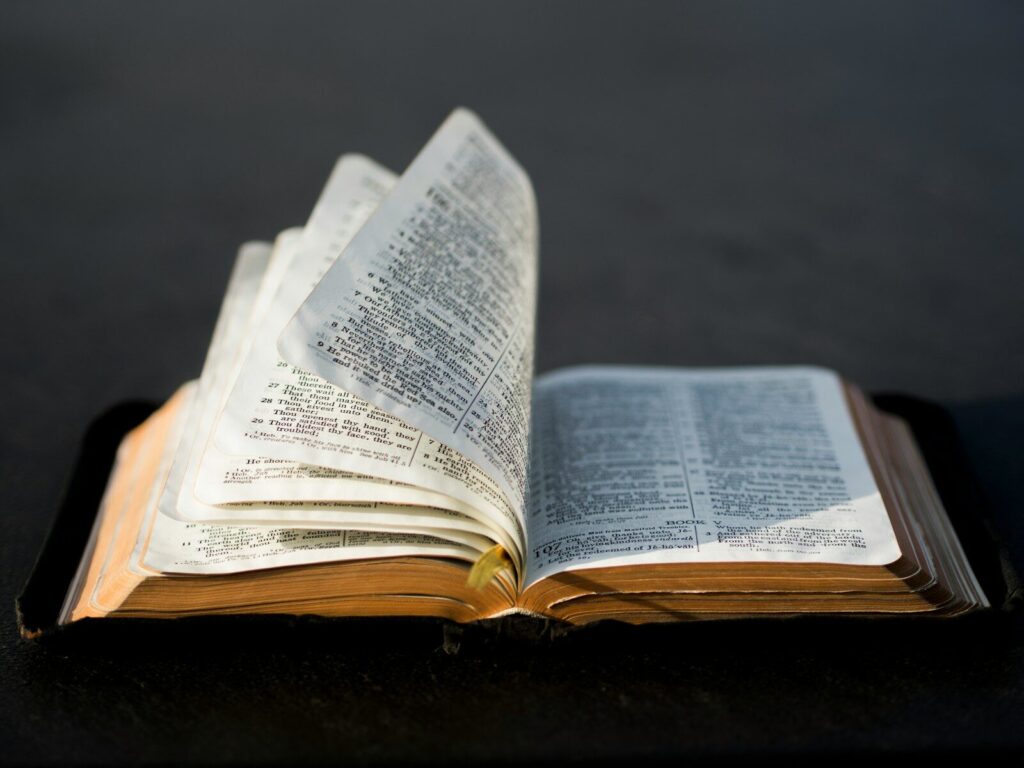
Consider these four people from Scripture:
- Job lost everything he had. His children, his health, his wealth. He sat in ashes. He wept. But he did not lose his faith. God restored him beyond what he had before. (Job 42:10)
- King David wrote many of the Psalms from a place of deep sorrow. He cried out to God in Psalm 22: My God, my God, why have you forsaken me? Yet David was called a man after God’s own heart. (Acts 13:22)
- Hannah wept bitterly before God because she had no child. She poured out her soul in prayer. God heard her. She became the mother of Samuel, one of the greatest prophets in Israel. (1 Samuel 1:10-20)
- The Apostle Paul suffered beatings, imprisonment, and rejection. He called himself the chief of sinners. Yet he wrote some of the most joy-filled letters in the entire New Testament. (Philippians 4:4)
These people show us the biblical pattern behind the name Tristan. Sorrow is not a dead end. It is a doorway.
God does not waste our pain. He uses it to build something deep, strong, and beautiful in us.
Key Bible Verses Connected to the Meaning of Tristan
Here are eight key Bible verses that connect directly to the themes of the name Tristan:
BIBLE VERSES TABLE: Psalm 34:18 | God is close to the brokenhearted | Sorrow is not abandoned Romans 8:28 | God works all things for good | Pain has divine purpose James 1:2-3 | Trials produce perseverance | Sorrow builds strength Matthew 5:4 | Blessed are those who mourn | Sorrow leads to comfort Isaiah 61:3 | Beauty for ashes, joy for mourning | Transformation through pain 2 Corinthians 4:17 | Momentary troubles produce glory | Short suffering, eternal reward Jeremiah 29:11 | God has plans for hope and a future | Sorrow does not end the story John 16:20 | Grief turns to joy | Redemption is the destination
These verses show that sorrow is a theme God takes seriously. He does not ignore pain. He meets us in it.
That is the spiritual heart of the Tristan name meaning Bible.
Tristan and Isolde: What Does the Legend Mean for Christians?
This is a section most articles skip. But Christian families deserve an honest answer.
The name Tristan became famous across Europe through the medieval legend of Tristan and Isolde. This is a story of love, tragedy, and deep devotion. It is one of the most famous romantic legends in Western history.
But there is a problem with the legend from a Christian perspective.
In the story, Tristan and Isolde fall in love through a love potion. But they are not free to be together. Isolde is promised to another man. The relationship involves deception, betrayal of covenant, and forbidden love.
These are not Christian values.
The Contrast with Biblical Love
The Bible defines love very differently.
“Love is patient, love is kind. It does not envy, it does not boast, it is not proud. It does not dishonor others, it is not self-seeking…” (1 Corinthians 13:4-5)
Biblical love is covenant-based. It is faithful. It does not break promises for emotional fulfillment.
The legend of Tristan and Isolde is the opposite of that. It is a story shaped by fate and passion, not by commitment and covenant faithfulness.
What This Means for Naming Your Child Tristan
The good news is this: names outlive their legends.
The name Tristan has been used in Christian communities across Europe for centuries. Medieval monks documented it in baptismal records. Christian families chose it for their children long before the romantic legend became popular.
The name entered Christian culture through Celtic Christianity, which had its own rich tradition of names carrying spiritual meaning.
By the time the Tristan and Isolde legend spread widely, the name had already taken root in the Christian world. It was never limited to that one story.
Today, the name Tristan stands on its own. Its meaning of sorrow and strength connects to Scripture. The legend is a footnote, not a definition.
Also read: Spiritual Meaning of the Name Addison: Complete Guide
Tristan Meaning in Hebrew: What You Need to Know
Many people search for the Tristan meaning in Hebrew. This is an important question. Let us answer it honestly.
Tristan Is Not a Hebrew Name
Tristan has no Hebrew origin. None at all.
The name comes from Celtic and Latin roots, not from the Hebrew language or Jewish cultural tradition. It cannot be translated into Hebrew in a meaningful way. It can only be transliterated, which means written in Hebrew letters phonetically.
But that is just a sound match. It carries no Hebrew meaning on its own.
What Hebrew Spirituality Adds to the Name
However, when we look at the name through the lens of Hebrew spiritual values, something powerful emerges.
Two Hebrew concepts map perfectly to the meaning of Tristan:
- Yagon (Hebrew: deep sorrow or grief). This word is used in Jeremiah 8:18 to describe a grief that has no cure. It is the kind of sorrow that runs to the bottom of the soul. This is very close to the core meaning of the name Tristan.
- Chazaq (Hebrew: to be made strong, to take courage). This word appears in Joshua 1:9 where God tells Joshua: Be strong and courageous. After yagon comes chazaq. After sorrow comes strength. This is the complete spiritual arc of the name Tristan.
In Hebrew thought, sorrow is never shameful. It is sacred. The most faithful people in Scripture wept openly before God. Sorrow was the language of their deepest prayers.
The name Tristan, seen through Hebrew spiritual values, represents a heart that feels deeply and a soul that God is actively shaping.
Is Tristan a Good Christian Baby Name?
This is the question many parents are really asking.
The short answer is yes. Tristan is a meaningful and appropriate name for a Christian child.
Here is why:
Biblical Naming Principles
Proverbs 22:1 says a good name is more desirable than great riches. The Bible takes names seriously. Names carry identity. They can speak into a child’s future.
But the Bible does not require that every name be found word-for-word in Scripture. What it values is a name that carries good meaning and godly character.
Sorrow-Rooted Names Have Biblical Precedent
Here is something that might surprise you:
Several people in the Bible had names rooted in sorrow or pain. And God used them in incredible ways.
- Jabez was named because his mother bore him in pain. His name literally means pain or sorrow. But Jabez prayed to God, and God blessed him beyond measure. (1 Chronicles 4:9-10)
- Naomi told her community to call her Mara, which means bitter, after she suffered great loss. She was not ashamed of her sorrow. And God later restored her through Ruth and Boaz. (Ruth 1:20)
- Ichabod was named “the glory has departed” after a time of deep national grief. His name marked a painful season in Israel’s history. It was a name of honest sorrow before God. (1 Samuel 4:21)
Naming a child Tristan does not put a curse on them. It gives them a name that carries depth and meaning. It tells them: life is not always easy, but God is always faithful.
That is a powerful foundation for any life.
Tristan Name: Personality Traits and Biblical Virtues
People named Tristan are often described with certain qualities. These qualities connect to specific biblical virtues.
- Emotional depth and empathy: This connects to the gift of intercession. Romans 8:26 says the Spirit helps us in our weakness and intercedes for us with groans too deep for words. A person who feels deeply is often someone who prays deeply.
- Loyalty and devotion: These connect to the Hebrew concept of chesed, which means steadfast love or covenant faithfulness. Ruth showed chesed when she refused to leave Naomi. The name Tristan carries this same spirit of loyal commitment.
- Resilience through pain: This connects to the armor of God in Ephesians 6. The spiritual warrior does not avoid battles. He or she stands firm. That is the calling behind the Celtic root of the name, which means tumult or strength in conflict.
- Compassion for others: Those who have suffered often understand suffering in others. This connects to 2 Corinthians 1:4, where Paul says God comforts us in our troubles so we can comfort others with the same comfort we have received.
Tristan in Christian History
The name Tristan has a genuine place in Christian history. This is not just a modern spiritual reframing.
The name emerged from Celtic Christianity, which was a rich and distinct form of Christian faith that flourished in Britain and Ireland from around the 5th century AD. Celtic Christians had their own tradition of naming. Names carried both earthly meaning and spiritual intention.
By the early medieval period, the name Tristan appeared in baptismal records kept by Christian monasteries across Western Europe. Medieval monks documented it as a common name used in Christian communities.
As the Crusader era and the Renaissance period spread European culture, the name Tristan traveled with it. Christian families across France, Portugal, Spain, and England used the name.
By the time of the Reformation, Tristan was an established Christian name across many traditions.
This history shows that Tristan is not a new name that Christians are trying to baptize with meaning. It is a name with real roots in Christian culture.
Spelling Variants: Tristen, Tristram, Trystan — Same Meaning?
The name Tristan has several spelling variations. Many people search for these variants separately.
VARIANTS TABLE: Tristan | French/Latin | Sorrowful, bold | Most common English spelling Tristen | Modern English | Sorrowful, bold | Popular US spelling variant Trystan | Welsh | Noise, tumult | Original Welsh/Celtic form Tristram | Medieval English | Bold in sorrow | Used in Arthurian legend Tristao | Portuguese | Sorrowful | Iberian variant
All of these variants share the same core meaning. Whether you spell it Tristan, Tristen, or Trystan, the spiritual and biblical connections remain the same.
The most common spelling in the United States is Tristan. Tristen is also widely used. Trystan tends to be used by families who want to honor the Welsh/Celtic roots of the name.
Tristan Name Meaning in Dreams: A Christian Perspective
Some people search for the biblical meaning of the name Tristan after hearing or seeing it in a dream. This is a real spiritual question. It deserves a real answer.
In the Bible, God sometimes speaks through dreams and visions. Joseph received divine messages in dreams. (Genesis 37:5-10) Daniel was given the ability to interpret dreams as a gift from God. (Daniel 1:17)
If you heard the name Tristan in a dream, here is a way to think about it from a Christian perspective:
If the Dream Felt Peaceful
It may be an encouragement. The name Tristan carries meaning about sorrow being transformed into strength. A peaceful dream involving this name could be a reminder that God is with you in a hard season. He is near to the brokenhearted. (Psalm 34:18)
If the Dream Felt Urgent or Heavy
It may be a prompt to pray for someone going through sorrow. The name may be pointing you toward someone who needs comfort or support right now.
A Word of Caution
Always test what you believe a dream is saying against Scripture. Not every dream is a divine message. Some dreams are just dreams. But if you sense something meaningful, bring it to God in prayer and seek wise counsel.
Frequently Asked Questions
Q: Is Tristan in the Bible? A: No. Tristan does not appear in the Old Testament or the New Testament. It is a Celtic and Latin name, not a Hebrew name. But its themes of sorrow, strength, and redemption are deeply biblical.
Q: What does Tristan mean spiritually? A: Spiritually, Tristan means a person who walks through sorrow and comes out stronger. It represents a heart that God can shape through trials. It connects to biblical truths about suffering, faith, and hope.
Q: Is Tristan a good Christian name? A: Yes. Many Christian parents choose Tristan because its meaning connects to core biblical values. Sorrow-rooted names have strong biblical precedent. Think of Jabez (1 Chronicles 4:9-10) and Naomi, who renamed herself Mara (meaning bitter) in Ruth 1:20.
Q: What does Tristen mean in the Bible? A: Tristen is a modern spelling of Tristan. It carries the same meaning. Spiritually, it represents sorrow that leads to faith and transformation.
Q: Is Tristan a saint’s name? A: Tristan is not officially listed as a saint’s name in the Catholic calendar. But the name has been used in Christian communities across Europe for centuries, dating back to medieval baptismal records.
Q: What does the name Tristan mean in Hebrew? A: Tristan has no Hebrew origin. It cannot be translated into Hebrew meaningfully. However, the Hebrew concept of yagon (deep sorrow) and chazaq (to be made strong) closely mirror the spiritual meaning of Tristan.
Q: What does dreaming of the name Tristan mean? A: In Christian dream interpretation, dreaming of Tristan may signal a season of growth through hardship. It can be a reminder that God is near in your pain (Psalm 34:18) and that He is working something good.
Conclusion: What the Name Tristan Means for You
The name Tristan does not appear in the Bible. But its meaning lives in Scripture on nearly every page.
Sorrow is a theme God takes seriously. He meets us in our deepest pain. He transforms what feels like an ending into a new beginning. That is the biblical story. And that is the meaning behind the name Tristan.
If you are naming a child Tristan, you are giving them a name with depth. It says: life may bring hard seasons, but God is faithful in all of them.
If you carry this name yourself, let it be a reminder. You are not defined by your sorrow. You are shaped by it. And what God shapes, He also strengthens.
“Weeping may last through the night, but joy comes with the morning.” (Psalm 30:5)
That is the heart of the Tristan name meaning Bible. Sorrow does not get the last word. Joy does.